
Essential nutrients for vision health
Days of nutritional guidance
Vision-supporting food options
Natural food-based solutions
The information on this site is for educational purposes only and does not constitute medical advice. Always consult a qualified healthcare professional before making health decisions.
Daily Foods for Healthier Eyes
Discover the power of nutrition in supporting clear vision and long-term eye wellness. Learn which everyday foods contain the nutrients your eyes truly need.
At Kytoma, we believe vision starts with what you eat. Explore our comprehensive guide to eye-healthy nutrition and transform your daily meals into an investment in your sight.
Nutrient-Rich Foods for Vision
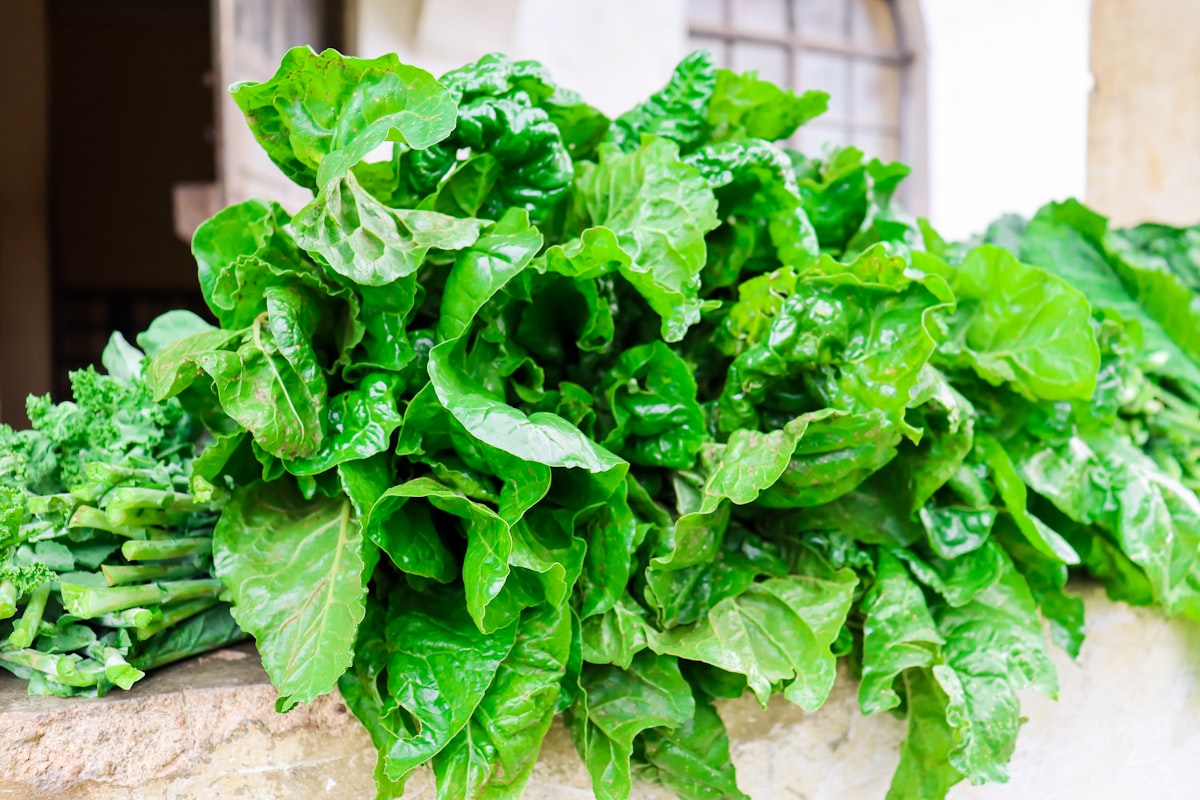
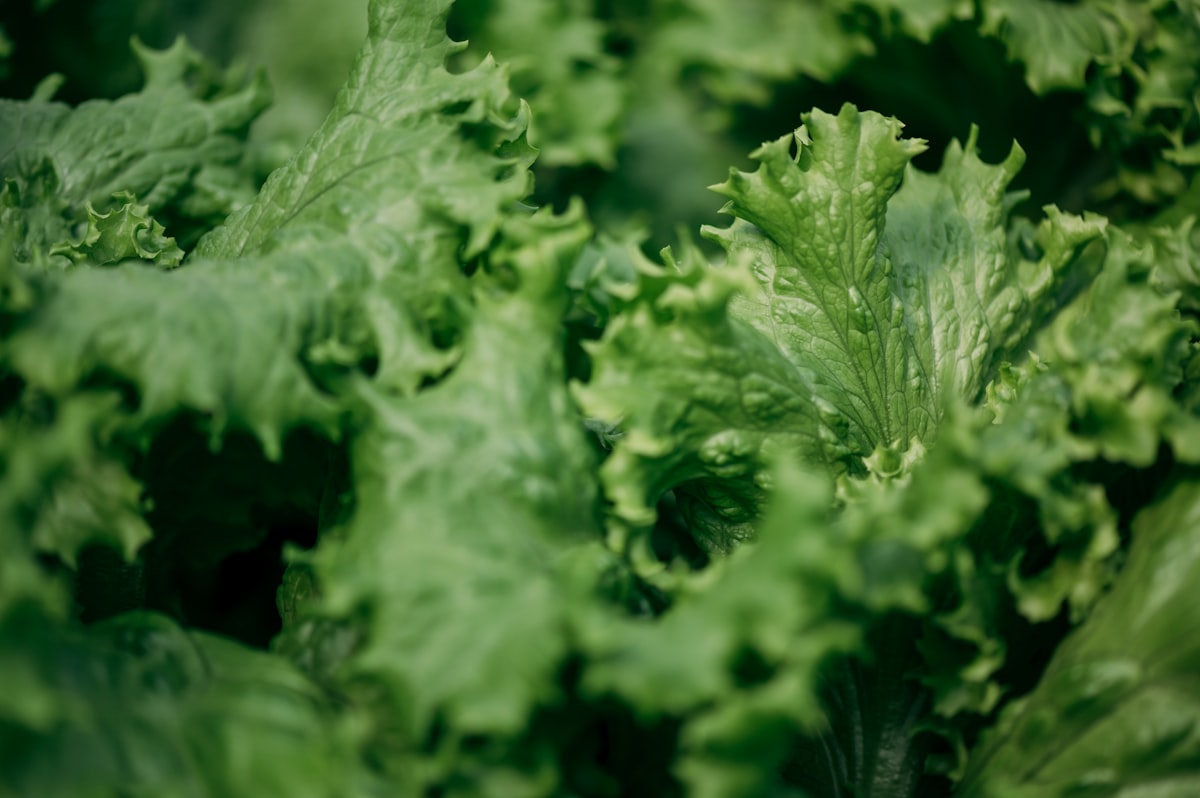
Leafy Greens
Spinach, kale, and other dark leafy vegetables contain lutein and zeaxanthin, powerful antioxidants that protect the macula.
Berries
Blueberries, blackberries, and cranberries are packed with anthocyanins that support retinal health and reduce eye strain.
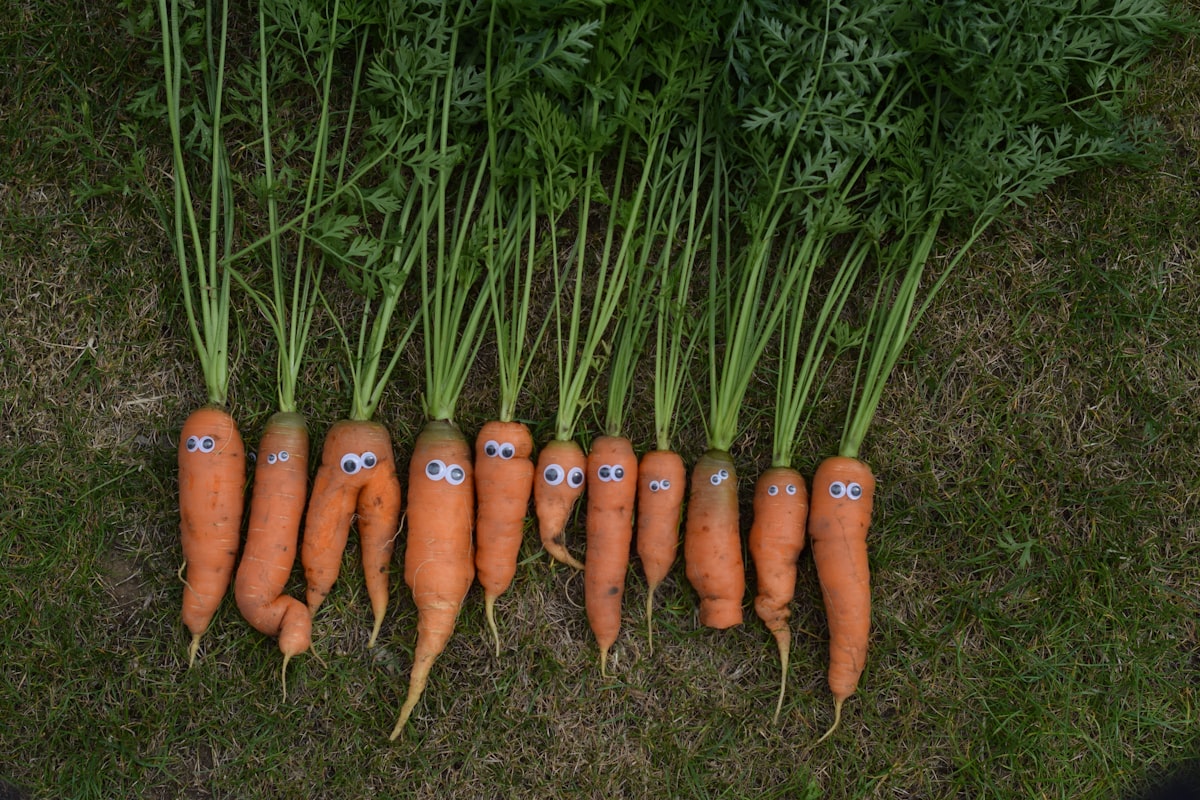
Orange Vegetables
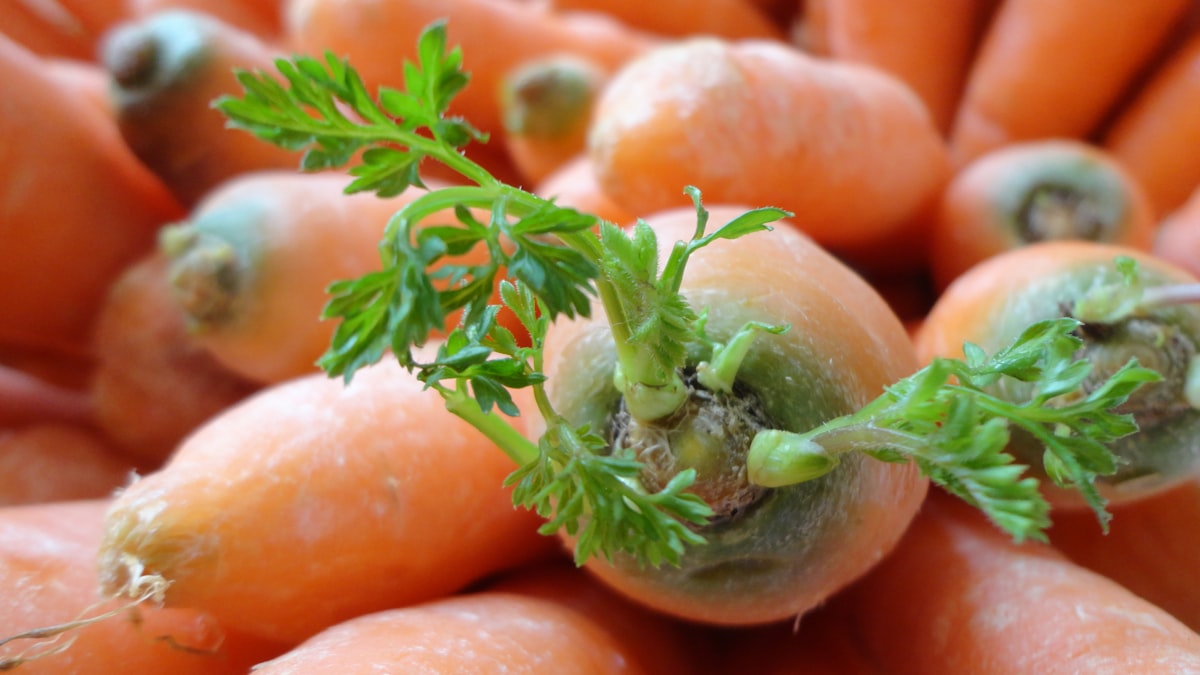
Carrots, sweet potatoes, and pumpkins provide beta-carotene, which your body converts to vitamin A for clear vision.
Why Nutritional Support Matters for Your Eyes
Your eyes require specific nutrients to function optimally. Unlike supplements, whole foods provide these nutrients in combinations that your body has evolved to recognize and utilize efficiently.
- Natural antioxidant combinations reduce oxidative stress on eye tissues
- Bioavailable nutrients are absorbed more effectively from real foods
- Whole food patterns support overall metabolic health and circulation
- Consistent daily nutrition builds long-term eye resilience
Your Daily Nutrition Guide for Vision
Start Your Day with Colorful Vegetables
Begin breakfast or lunch with a serving of colorful vegetables—spinach omelets, carrot smoothies, or bell pepper side dishes. Aim for at least one serving of dark leafy greens daily to accumulate lutein and zeaxanthin.
Include Omega-3 Sources at Lunch or Dinner
Fatty fish like salmon, mackerel, and sardines contain omega-3 fatty acids essential for retinal function. If you prefer plant-based options, add walnuts, flaxseeds, or chia seeds to meals at least three times per week.
Snack on Berries and Nuts
Choose berries or a small handful of almonds as afternoon snacks. These provide anthocyanins and vitamin E, both crucial for protecting eye cells from damage. Keep portions moderate but consistent throughout the week.
Add Citrus and Other Vitamin C Foods
Oranges, lemons, strawberries, and kiwis supply vitamin C, which acts as an antioxidant in the eye. Include one serving with meals or as snacks to support lens clarity and reduce age-related changes.
Stay Hydrated and Track Your Progress
Drink plenty of water throughout the day to maintain eye lubrication and nutrient delivery. Keep a simple food journal to ensure you're hitting your daily eye-health targets and notice how consistent nutrition affects your visual comfort.
Top 9 Foods for Eye Health
Spinach
High in lutein and zeaxanthin, spinach is one of the richest sources of protective pigments for the retina. Raw in salads or cooked, it supports long-term eye health.
Salmon
Rich in EPA and DHA omega-3 fatty acids, salmon reduces inflammation in the eye and supports retinal flexibility and visual acuity.
Carrots
Packed with beta-carotene that converts to vitamin A, carrots are essential for the pigments in your retina that enable low-light vision.
Blueberries
Anthocyanin-rich blueberries improve blood flow to the eye and protect against oxidative damage from screen time and UV exposure.
Eggs
Egg yolks contain lutein, zeaxanthin, and choline—nutrients that support both the protective structures and neural health of the eye.
Kale
Even more concentrated in lutein than spinach, kale provides powerful protection for the macula when consumed regularly.
Olive Oil
Extra virgin olive oil contains oleocanthal and polyphenols that reduce inflammation and support retinal cell health through consistent use.
Almonds
Almonds are a top source of vitamin E, a fat-soluble antioxidant that protects eye cell membranes from oxidative stress.
Sunflower Seeds
High in vitamin E, zinc, and selenium, sunflower seeds provide multiple antioxidant pathways for comprehensive eye protection daily.
What Our Readers Are Discovering
"After reading about the specific nutrients for eye health, I started incorporating more spinach and salmon into my daily meals. Within a few weeks, I noticed my eyes felt less tired after work, and my vision feels sharper overall. The guide made it so easy to understand which foods actually matter and why. I'm recommending this resource to everyone I know who spends time on screens."
Siti Rahman
Jakarta, Indonesia
"I was skeptical at first that diet could really make a difference, but the science behind lutein and zeaxanthin made sense. I followed the five-step daily guide and added berries to my breakfast, which I already loved. My eye strain has improved, and I feel like I'm taking a proactive approach to my eye health rather than just waiting for problems to develop."
Budi Santoso
Surabaya, Indonesia
"As someone who works at a computer all day, I was looking for practical ways to protect my eyesight. Kytoma's food list is incredibly detailed and includes things I actually enjoy eating. My eyes feel more comfortable after long days at the computer since I started focusing on my nutrition. The education about bioavailability of nutrients from real foods really resonated with me."
Dewi Kusuma
Bandung, Indonesia
"The step-by-step daily nutrition guide is exactly what I needed. I'm not a nutritionist, so having clear, actionable advice about what to eat and when to eat it made everything simple. My family has adopted these eating habits too. I appreciate how the content is science-based but still accessible, without any confusing jargon. This is real, practical advice that works."
Ahmad Wijaya
Medan, Indonesia
Frequently Asked Questions
While individual results vary, a consistent diet rich in eye-supporting nutrients is a positive step for long-term wellness. However, the protective benefits that accumulate in your retina—particularly from lutein and zeaxanthin—build gradually over months. For long-term vision support, consistency matters more than immediate results. Think of eye-healthy nutrition as a proactive investment rather than a quick fix.
Whole foods are the primary source and provide nutrients in bioavailable forms your body recognizes. A well-planned diet containing the foods listed in our guide—leafy greens, fish, eggs, berries, and nuts—supplies ample lutein, zeaxanthin, omega-3s, and vitamins for eye health. However, individual needs vary based on diet, lifestyle, and genetics. Always consult with a qualified healthcare professional about whether additional nutritional support is appropriate for your specific situation.
Rather than focusing on avoidance, prioritize inclusion. Excessive refined sugars and highly processed foods may contribute to inflammation and metabolic stress that affects eyes. Minimizing trans fats and limiting excessive alcohol supports eye health. The better strategy is crowding your plate with nutrient-dense, whole foods—the more colorful and natural, the better. This approach naturally reduces room for less beneficial options.
Absolutely. For omega-3 needs without fish, include flaxseeds, chia seeds, walnuts, and hemp seeds. For zinc and antioxidants without tree nuts, choose pumpkin seeds, sunflower seeds, legumes, and whole grains. Leafy greens, colorful vegetables, berries, and eggs provide core nutrients regardless of allergies. The diversity of eye-supporting foods means you can always find alternatives that work for your dietary needs. Consider consulting with a nutritionist to ensure you're hitting all nutrient targets with your specific restrictions.
Start by noting baseline experiences: your current eye comfort throughout the day, visual clarity, and any eye strain. After implementing the daily nutrition guide, track subjective improvements—reduced dryness, less strain after screen time, or sharper focus. Keep a simple journal of what you eat and how your eyes feel. More objective measures, like regular eye exams, can show long-term protective effects over years. Your eye care professional can assess changes in visual acuity and eye health during routine checkups.
Transform Your Vision Through Better Nutrition
Start your eye-health journey today. Explore our complete guide to food-based nutrition for vision, learn which nutrients matter most, and discover practical daily strategies to support your eyes for life.