
Daily Foods for Healthier Eyes
Explore our comprehensive guide to eye-nourishing foods. Learn which everyday ingredients support vision, prevent strain, and promote long-term eye health through nutritional science.
The information on this site is for educational purposes only and does not constitute medical advice. Always consult a qualified healthcare professional before making health decisions.
Browse by Category
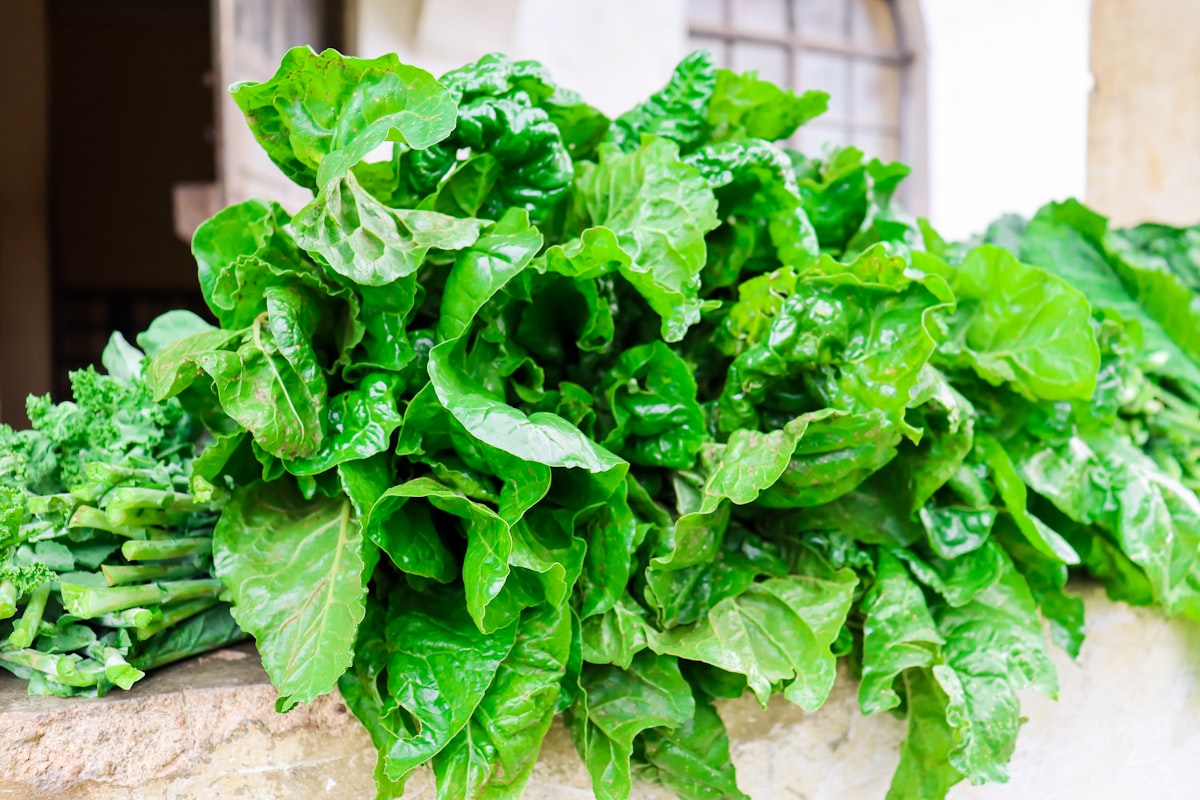
Blueberries
Berries & Fruits
Blueberries contain anthocyanins, powerful antioxidants that protect the retina from oxidative stress. Regular consumption supports visual clarity and may slow age-related vision changes. These small fruits are easily incorporated into breakfast routines or eaten as a standalone snack.
Key compounds: Anthocyanins, vitamin C, vitamin E
Best for: Retinal protection and eye strain relief
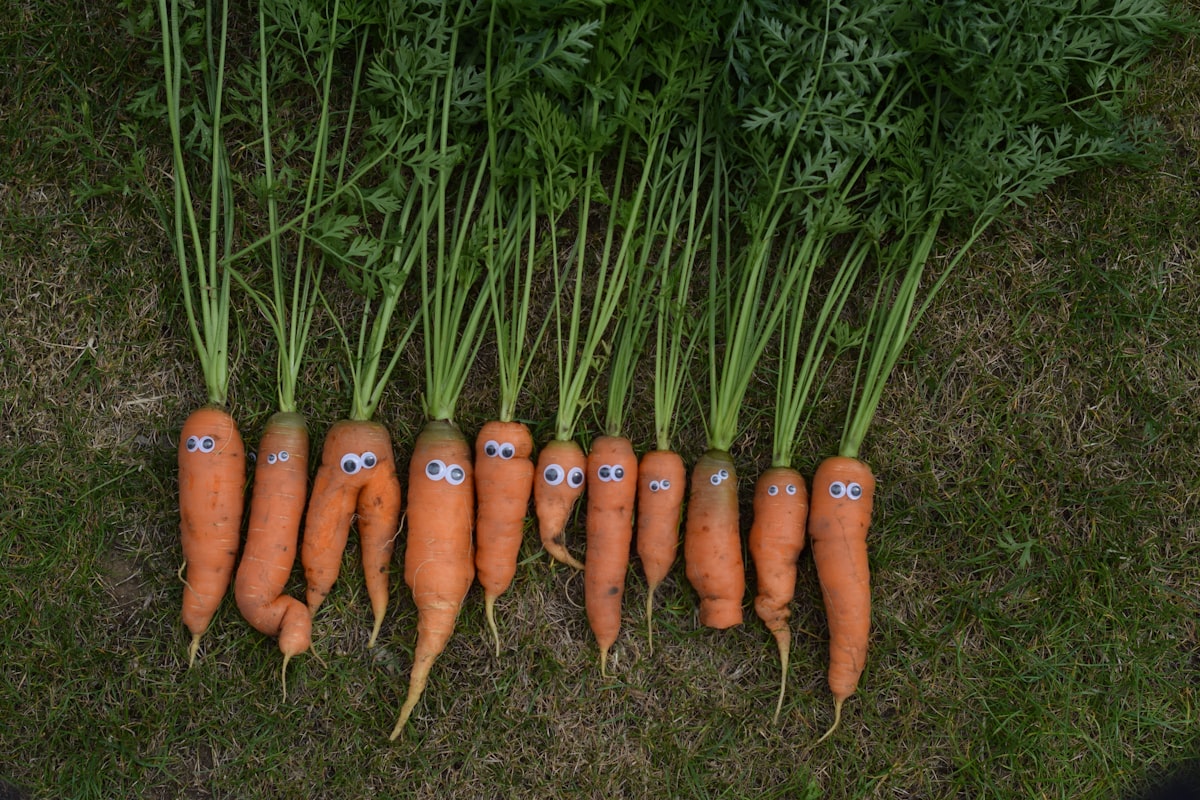
Spinach
Leafy Greens
Spinach is one of the richest sources of lutein and zeaxanthin, nutrients that form a protective filter in the macula of the eye. These compounds absorb blue light and reduce glare sensitivity. Dark leafy greens like spinach work best when consumed raw or lightly cooked to preserve nutrient density.
Key compounds: Lutein, zeaxanthin, folate
Best for: Age-related macular protection
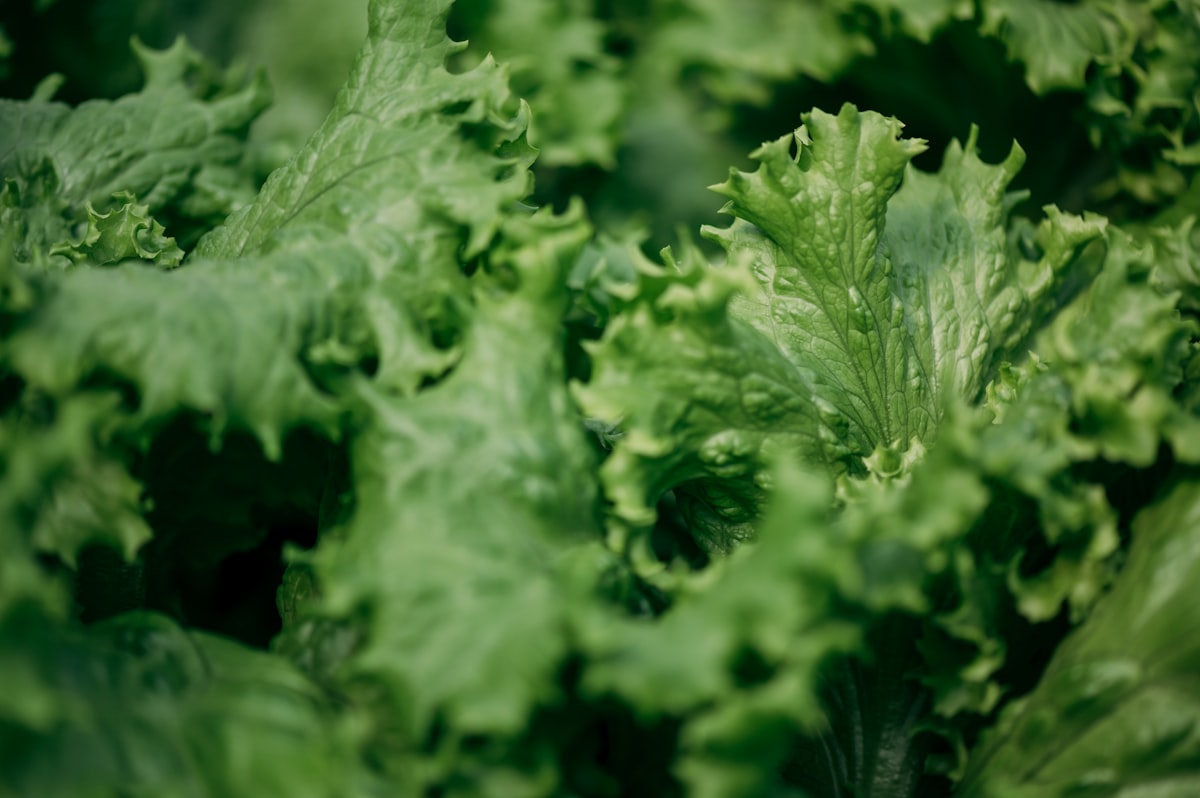
Salmon
Fish & Proteins
Salmon provides EPA and DHA omega-3 fatty acids, which are essential for retinal health and dry eye prevention. These fats support the structural integrity of cell membranes in the eye and reduce inflammation. Eating salmon twice weekly helps maintain tear production and visual acuity, especially for those spending long hours on screens.
Key compounds: EPA, DHA, astaxanthin, selenium
Best for: Dry eye support and retinal nourishment
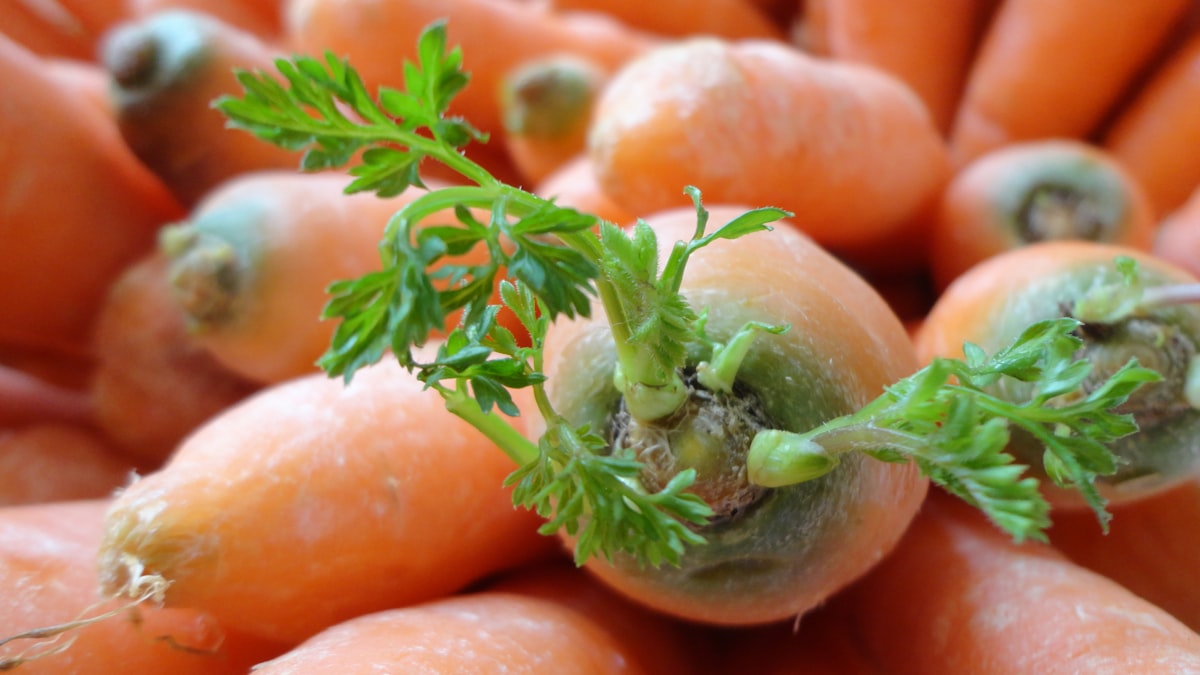
Almonds
Nuts & Seeds
Almonds deliver vitamin E, a fat-soluble antioxidant that protects the eyes from free radical damage. A small handful of almonds (about 30 grams) provides significant eye-protective benefits. They also contain arginine, which improves blood flow to the eye tissues, supporting nutrient delivery and waste removal.
Key compounds: Vitamin E, arginine, magnesium
Best for: Antioxidant defense and circulation
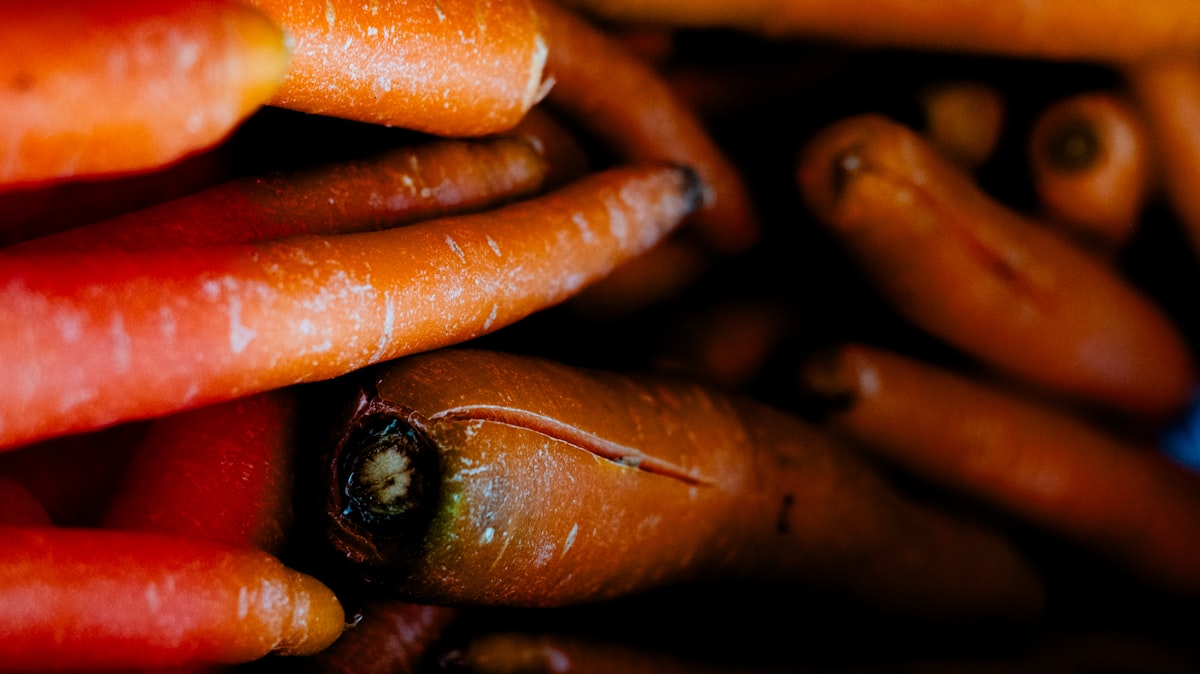
Carrots
Root Vegetables
Carrots are famous for their beta-carotene content, a precursor to vitamin A essential for low-light vision and photoreceptor function. The bright orange color indicates high carotenoid levels. Both raw and cooked carrots benefit eye health, though cooking slightly increases beta-carotene bioavailability when combined with a small amount of fat.
Key compounds: Beta-carotene, falcarinol, potassium
Best for: Night vision and retinal adaptation
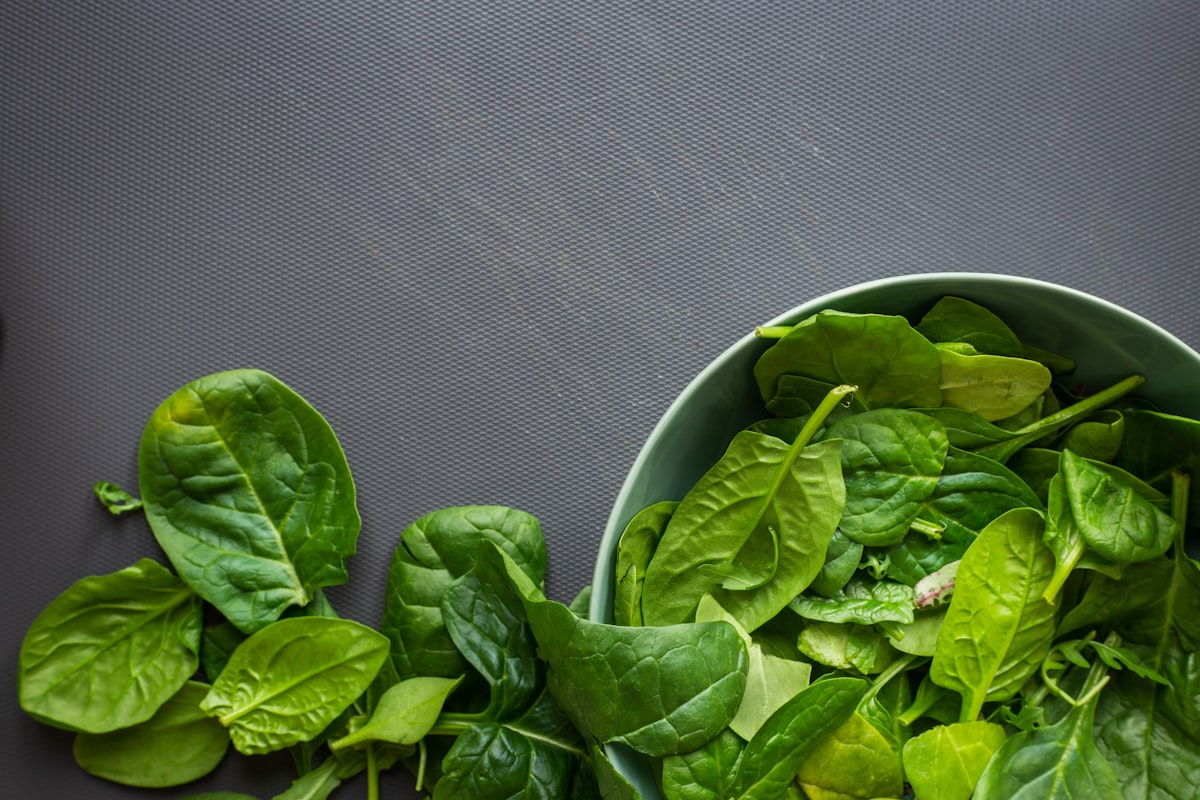
Kale
Leafy Greens
Kale contains even higher levels of lutein and zeaxanthin than spinach, cup for cup. It also provides sulforaphane and other phytonutrients with anti-inflammatory properties. A single serving of kale covers a significant portion of daily lutein needs, making it one of the most nutrient-dense eye foods available in any season.
Key compounds: Lutein, zeaxanthin, sulforaphane, vitamin K
Best for: Maximum macular support and inflammation reduction
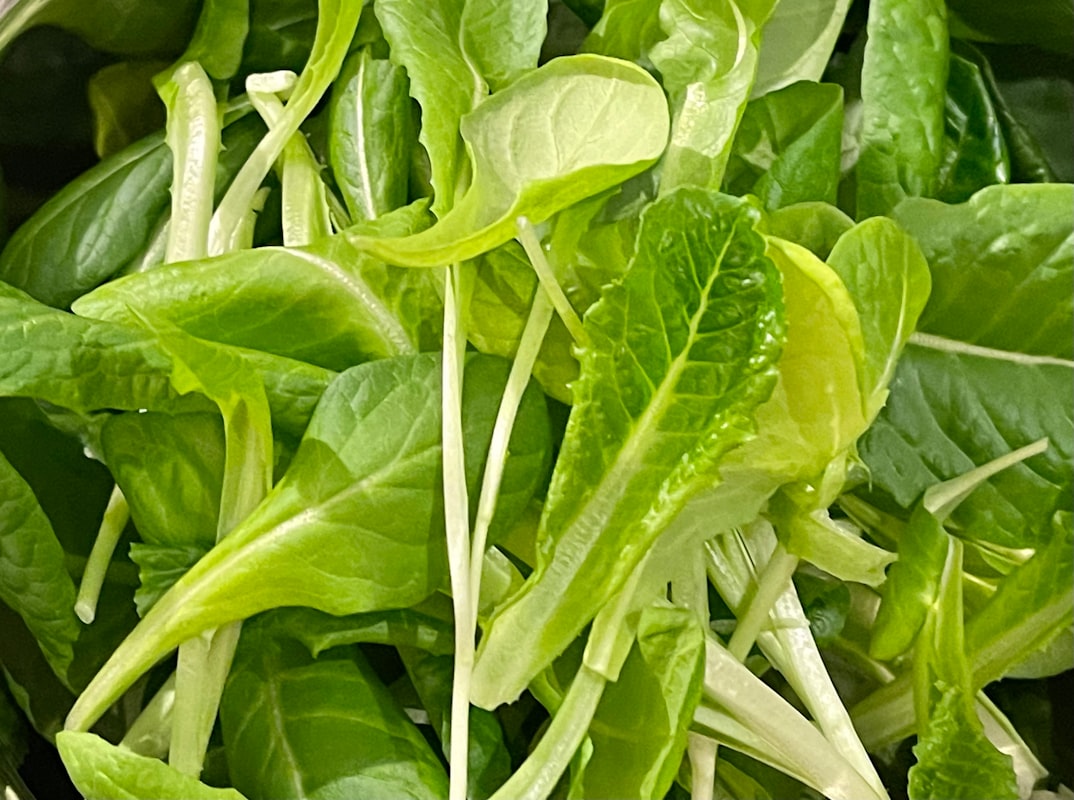
Walnuts
Nuts & Seeds
Walnuts are a plant-based source of ALA omega-3 fatty acids, which support retinal membrane fluidity and reduce systemic inflammation affecting the eyes. They also contain polyphenols that improve blood vessel health. Just seven walnuts daily provides meaningful benefits for those seeking plant-based omega-3 sources.
Key compounds: ALA omega-3, polyphenols, vitamin E
Best for: Plant-based omega-3 support and vascular health
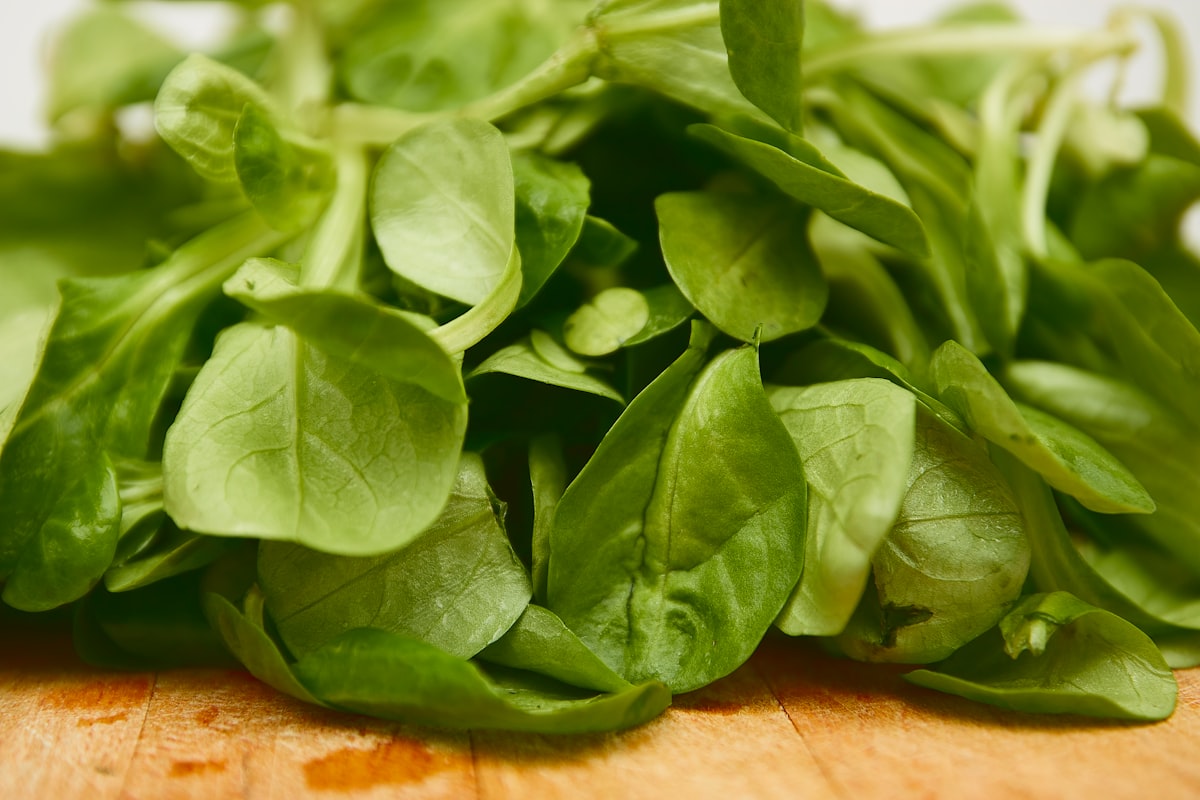
Bell Peppers
Berries & Fruits
Bell peppers provide abundant vitamin C, a water-soluble antioxidant that protects lens and corneal tissues from oxidative damage. Red and orange varieties contain additional carotenoids. The high water content makes them hydrating, supporting eye moisture. Bell peppers can be eaten raw in salads or lightly cooked to maximize nutrient retention.
Key compounds: Vitamin C, lutein, zeaxanthin, carotenoids
Best for: Antioxidant boost and lens protection
Building Your Daily Vision-Nourishing Routine
Consistency matters in nutritional eye care. Here's how to incorporate these foods into your everyday meals for maximum benefit.
Morning: Antioxidant Breakfast
Start your day with a bowl containing blueberries, spinach, and almonds. Add yogurt or plant-based milk, and drizzle with walnut oil. This combination delivers lutein, zeaxanthin, vitamin E, and omega-3 fatty acids in one meal, setting your eyes up for the day's demands.
Pro tip: Eat this meal at least 2-3 times weekly for cumulative eye benefits.
Lunch: Leafy Green Base
Build your lunch around dark leafy greens—spinach, kale, or mixed greens. Add colorful vegetables like bell peppers and grated carrots. Include a protein source such as baked salmon or grilled chicken. Dress with olive oil for fat-soluble nutrient absorption.
Pro tip: Aim for 1-2 cups of cooked greens or 2-3 cups raw daily.
Snacks & Dinner: Sustained Support
For afternoon snacks, reach for a small handful of almonds or walnuts. At dinner, emphasize fatty fish like salmon twice weekly, paired with roasted root vegetables including carrots. Between meals, eat fresh fruits like oranges or berries to maintain steady nutrient intake.
Pro tip: Variety prevents nutrient gaps and keeps meals interesting.
Frequently Asked Questions
Nutritional changes work gradually. Some people report reduced eye strain after 2-4 weeks of consistent dietary adjustments. However, deeper changes in visual clarity and tear production may take 3-6 months. Long-term consumption (6+ months) provides the most significant benefits. Consistency matters more than dramatic short-term changes.
Whole foods provide nutrients in complex matrices with cofactors that enhance absorption and function. Supplements can support a dietary approach but cannot fully replace eating actual foods. The synergy of compounds in blueberries or kale cannot be replicated in pill form. A food-first approach, with supplements only filling specific gaps identified by dietary assessment, is most effective.
Frozen fruits and vegetables are often flash-frozen at peak ripeness, locking in nutrients. Canned vegetables are acceptable if packed without excess sodium; drain and rinse to reduce salt content. For leafy greens, fresh or freshly frozen is ideal since cooking methods affect delicate nutrients. Overall, frozen versions are superior to buying less-fresh produce that has lost nutrients during long storage.
Lutein, zeaxanthin, and beta-carotene are fat-soluble and stable with gentle heating. Light steaming or sautéing in olive oil actually improves absorption. Prolonged boiling or high-heat cooking can reduce some heat-sensitive vitamins like vitamin C. Aim for minimal cooking time using methods like steaming, light sautéing, or roasting at moderate temperatures to preserve nutrient density.
The foods listed here offer multiple options across categories. If allergic to nuts, focus on leafy greens, seeds, and fish. If vegan, emphasize kale, spinach, walnuts, seeds, and orange bell peppers for lutein and vitamin C. If pescatarian, fish provides unmatched omega-3 levels. Work within your dietary framework by selecting from each nutrient category to ensure comprehensive eye support. Consultation with a registered dietitian can help optimize choices for your restrictions.
General guidelines: 1 cup blueberries or other berries several times weekly; 1-2 cups cooked dark greens or 2-3 cups raw daily; 1 small handful almonds or walnuts (about 30g) daily; 1 medium carrot or equivalent several times weekly; 2-3 servings fatty fish (100g each) weekly; 1 medium bell pepper or equivalent 3-4 times weekly. These amounts provide meaningful nutrient intake without excessive calories. Individual needs vary based on overall diet and health status.
Get Eye-Health Nutrition Tips
Subscribe to receive weekly articles on foods that support healthy vision, recipes combining eye-nourishing ingredients, and latest research on nutritional ophthalmology.
We respect your privacy. Unsubscribe anytime. Content focused on informational nutrition articles only.
Ready to Support Your Vision Through Nutrition?
Explore our detailed article on implementing these foods into your daily routine. Discover meal prep strategies, seasonal ingredient selection, and how to combine these foods for maximum eye health benefit.